The Thirteen-Day Telephone
While the world watched the missiles, he was in a hotel lobby passing notes between two men who were never supposed to meet. The back channel that cooled the room had a name. It was his.
A Memoir · Coming Soon
From the 1960s onward, America’s most powerful decisions needed someone to make the call, carry the message, and fix what couldn’t be said out loud. For the first time, the fixer is telling everything.
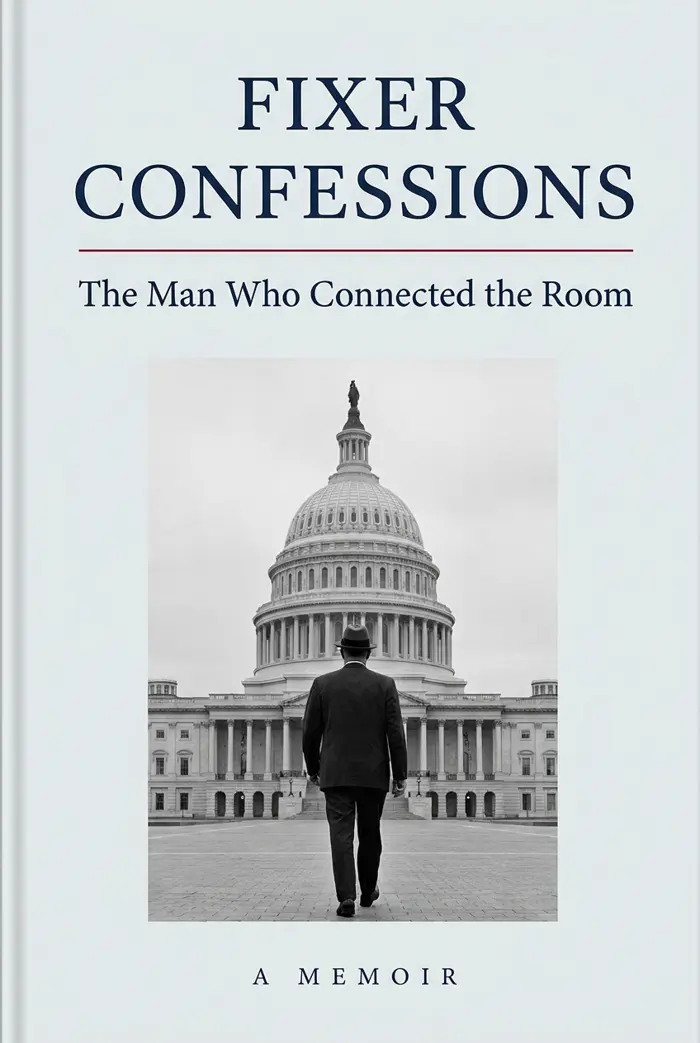
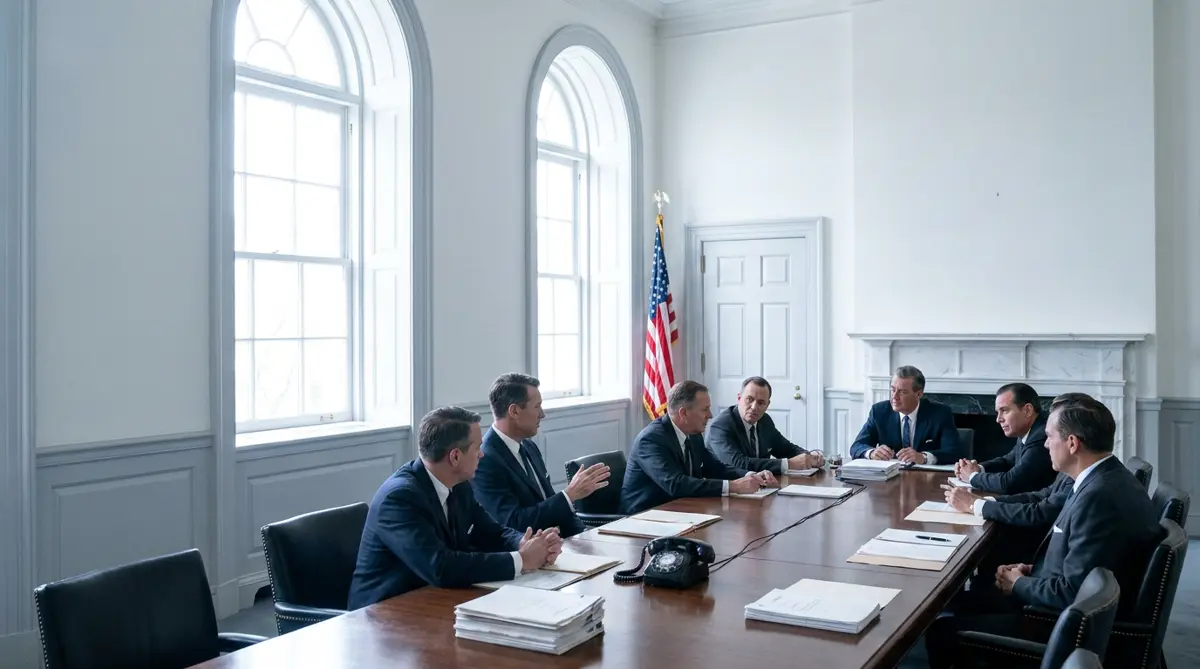
About the Book
He started as a young man who could get anyone on the phone. By the 1960s, senators, generals, union bosses, and presidents’ men knew him as the person you called when a deal was about to fall apart.
Fixer Confessions is his account of the handshakes, the hotel rooms, the favors traded, and the messages delivered — the quiet connections that shaped America from the Cold War to today.
Inside the Book
A few of the moments he finally puts on the record — told by the one person who was there for all of them.
While the world watched the missiles, he was in a hotel lobby passing notes between two men who were never supposed to meet. The back channel that cooled the room had a name. It was his.
A landmark bill stalled one senator short. He found out what the senator needed — and who could quietly deliver it before the roll was called.
Riots outside, chaos inside. He spent four nights making sure the right delegates were in the right rooms when the doors closed.
He didn’t write it. But he knew who needed to read it first, and he drove the envelope across town himself.
A decade of arms, envoys, and men with no titles. He learned the most valuable thing in Washington is a favor no one can trace.
From the end of the Cold War to the age of cable news, the faces changed. The phone calls didn’t. He kept picking up — until now.
From Chapter One — “The Man at the End of the Hall”
The first thing you learn is that nobody important ever asks for a favor. They describe a problem, and then they wait to see if you understand.
In the fall of ’62, a man from the State Department described a problem to me in the bar of the Mayflower Hotel. By midnight I had a phone number nobody in Washington was supposed to have. By morning, two men who officially weren’t speaking were reading the same piece of paper.
They never thanked me. That’s how I knew it worked.
Available for Pre-order
Join the List
Join the list for a free first chapter, launch-day pre-order links, and word of signed editions. No spam.